The Pixelated Palette: Gameboy Graphics in Modern Merchandise Design
For many, the name Gameboy evokes a flood of nostalgic memories: the click of the D-pad, the hum of the startup screen, and the thrill of portable adventures. But beyond its role as a gaming console, the Gameboy has left an indelible mark on visual culture. Its distinctive, low-resolution pixel art and limited color palette have become a beloved aesthetic, a language of design that now thrives far beyond the screen. Today, this iconic style is being celebrated and repurposed across a universe of merchandise—from T-shirts and mugs to stickers and printable vinyl—offering creators and fans a unique way to wear, display, and share their passion.
From Screen to Print: Decoding the Gameboy Design Aesthetic
To understand why Gameboy graphics work so well on physical products, we must first appreciate their inherent design principles. The original Gameboy screen displayed images at a resolution of 160x144 pixels, with a palette famously limited to four shades of "green." This technical constraint wasn't a limitation; it became a creative signature. Artists and game developers mastered pixel art, a form of digital drawing where each individual pixel is placed like a tiny tile to build an image. This resulted in graphics that were charmingly blocky, readable, and full of character.
When translated to print design for merchandise, these core attributes translate perfectly:
- High Contrast & Readability: The bold, simplified shapes and clear outlines make designs instantly recognizable, even on small items like stickers or the curved surface of a mug.
- Scalability: True pixel art, built on a grid, can be scaled up or down without losing its fundamental structure, making it versatile for different product sizes.
- Emotional Resonance: The style directly taps into a sense of nostalgia and playful retro-futurism, creating an immediate emotional connection with the wearer or user.
The Merchandise Canvas: Where Pixel Art Comes to Life
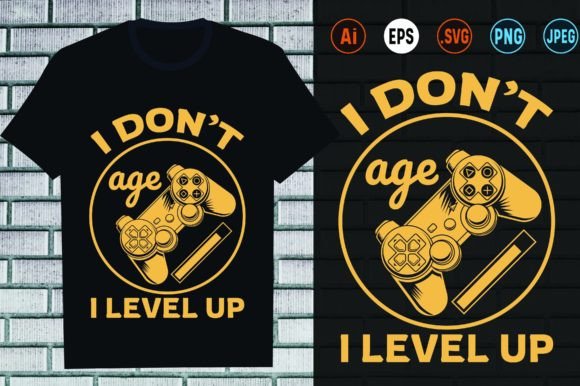
The leap from digital sprite to physical product is facilitated by modern printing technologies and high-quality digital files. When you receive design files—such as AI, PNG, SVG, and EPS formats at 300 DPI and high resolutions like 4500 x 5400 pixels—you are equipped with the tools for professional-grade output.
Let's explore how this fits into the creation of popular items:
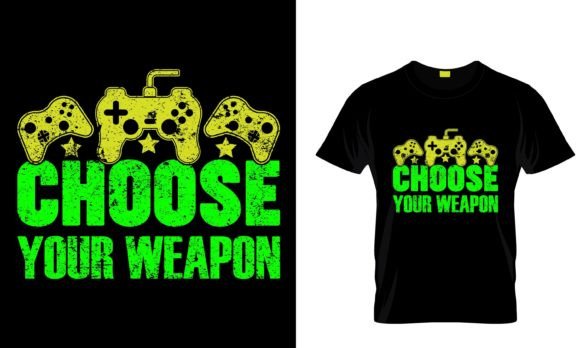
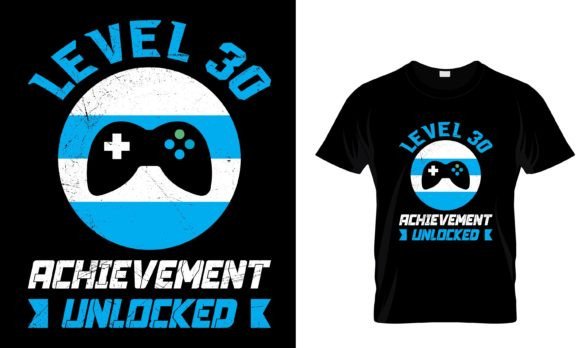
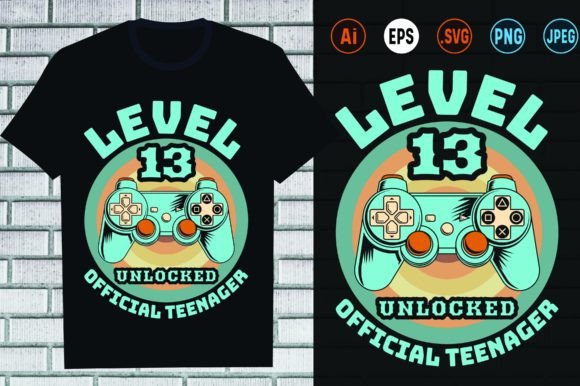
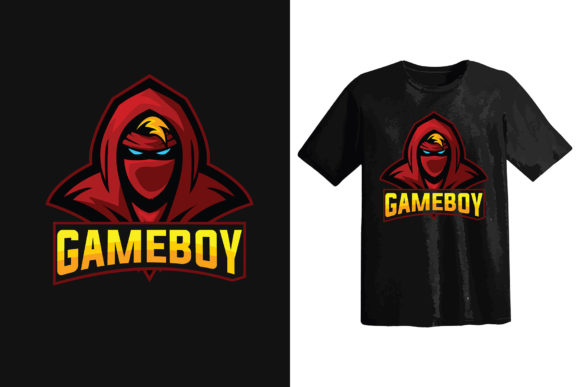
- T-shirts & Apparel: Pixel art designs excel here. Their clean lines and often limited color schemes work beautifully with screen printing, direct-to-garment (DTG), or sublimation. A simple, bold Gameboy-character graphic on a tee becomes a statement piece, communicating taste and history without clutter.
- Mugs & Drinkware: The wrap-around surface of a mug is a perfect canvas for a panoramic pixel scene or a repeating pattern of iconic game items. High-resolution files ensure the image remains crisp and vibrant even after the sublimation process, which permanently bonds the design to the ceramic.
- Stickers & Decals: This is where the simplicity of pixel art truly shines. Stickers are often small, and a complex, high-detail image can become muddled. A pixel design, with its inherent clarity, remains perfectly legible and attractive, ideal for laptops, notebooks, or customizing other gear.
- Printable Vinyl & Cut Applications: Using the "print and cut" feature of modern cutter machines, these high-res files can be printed onto adhesive vinyl. This allows for the creation of custom decals, wall art, or even intricate patches. The vector formats (AI, SVG, EPS) are particularly crucial here, as they allow for clean, scalable paths that cutting machines can follow precisely.
Beyond Nostalgia: The Practical Relevance in Modern Creativity
Integrating Gameboy-style design into merchandise isn't just a retro trend; it's a practical choice with significant relevance in today's creative and business landscapes.
For Artists & Designers: The pixel aesthetic offers a distinct niche. Mastering this style allows creators to tap into a dedicated, passionate market. It serves as a bridge between digital illustration and tangible product design, teaching lessons in constraint, color theory, and shape language that are valuable across all design disciplines.
For Small Businesses & Entrepreneurs: Niche merchandise built around beloved aesthetics like the Gameboy can form the cornerstone of a successful brand. The designs act as instant brand identifiers, communicating a clear vibe and attracting a specific community. The provided high-resolution file formats are the commercial key—they ensure product quality is maintained, whether producing items in-house or sending designs to a professional printer.
For Educators & Community Builders: Pixel art, rooted in gaming history, can be a fantastic educational tool. Workshops on creating pixel art for stickers or T-shirts can teach basics of digital art, graphic design, and even introductory coding concepts. It makes learning visually engaging and results in a real, physical product, enhancing motivation.
Clarifying Common Misunderstandings
When venturing into this field, a few assumptions often need addressing:
- "Pixel Art Means Low Quality": This is a major misconception. While the style mimics low-resolution graphics, the source files themselves must be high resolution and professionally crafted. A 300 DPI, 4500px wide PNG ensures that when printed, the individual "pixels" of the design are sharp and the colors are accurate, resulting in a high-quality final product.
- "Any Game Image Can Be Printed": Copyright and trademark laws are crucial. While the *style* is free to use, specific characters, logos, and assets from commercial games (like Pokémon or Mario) are protected intellectual property. Original artwork inspired by the aesthetic, or designs based on one's own creations, is the safe and ethical path.
- "It's Only for Hardcore Gamers": The appeal has broadened tremendously. The Gameboy aesthetic represents a broader era of 80s and 90s tech culture, minimalist digital art, and a certain playful geometry. Its appeal extends to fashion enthusiasts, indie artists, and anyone with an appreciation for clean, graphic design.
Fitting the Pieces Together: A Cohesive Creative Process
So, how does one move from concept to a physical mug or a sheet of stickers? The process hinges on understanding the journey of the design file.
You start with a digital artwork, created in or exported to the specified formats. The AI (Adobe Illustrator) and EPS files are typically vector-based, meaning they are built from mathematical paths. This makes them infinitely scalable without quality loss—ideal for logos or designs that might be used on both a small sticker and a large poster.
The PNG is a raster file, a grid of pixels at a set resolution (like 4500x5400). At 300 DPI (dots per inch), it contains enough pixel data to print sharply at sizable physical dimensions. This is your go-to for most direct printing processes.
The SVG is a versatile web and vector format, useful for digital previews and, like AI/EPS, perfect for scaling.
With these files in hand, you can:
- Choose your product (e.g., a sublimation-ready blank mug).
- Use the appropriate file with your printing method (sublimation printer, screen printing service, vinyl cutter).
- Apply the design using the correct technique, where the high-resolution data ensures every pixel of your pixel art is rendered faithfully.
The Enduring Significance: More Than Just a Print
Ultimately, the use of Gameboy and gaming pixel design on merchandise signifies a deeper cultural moment. It represents the materialization of digital memory. It allows us to hold, wear, and use the visual language of our digital pasts. In a world of fleeting high-definition graphics, the enduring charm of these deliberate, constrained pixels reminds us that creativity often flourishes within limits.
For the general reader, whether a hobbyist looking to make a custom T-shirt or a curious observer of design trends, this fusion is a clear example of how technology, art, and commerce interact. It shows how a specific visual style born from engineering can evolve into a versatile tool for personal expression, small business, and community building. By understanding the files, the processes, and the context, anyone can appreciate or participate in turning those iconic, green-tinted pixels into something you can literally hold in your hand.