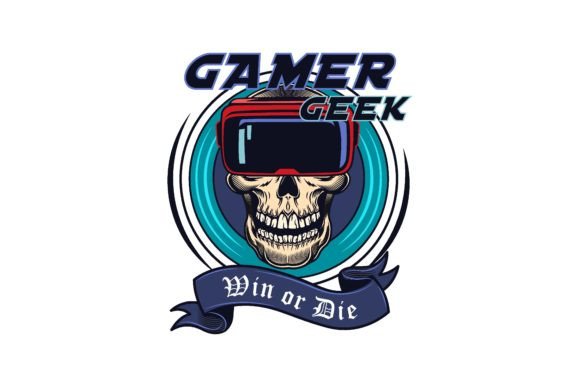
How to Use Retro Badge with Skull in VR Glasses Vec in Modern Creative Workflows
In a digital landscape saturated with sterile, corporate graphics, there’s a growing demand for assets that evoke personality, nostalgia, and a specific vibe. The Retro Badge with Skull in VR Glasses Vec vector illustration is a prime example of such an asset. It’s not merely a piece of art; it’s a versatile design component that carries a specific aesthetic—a blend of retro gaming, cyberpunk edge, and contemporary virtual reality culture. For creators, marketers, and entrepreneurs, integrating this element into a project requires understanding its context and applying it within a thoughtful, process-driven workflow.
Understanding the Asset and Its Strategic Placement
Before integrating any visual asset, it's crucial to define its purpose. The Retro Badge with Skull in VR Glasses Vec is a vector-based illustration. Vector format means it is infinitely scalable without quality loss, making it compatible with outputs ranging from a tiny app icon to a large-format poster. The “retro badge” style references classic pin or patch designs, often associated with achievement, membership, or branding. The skull motif introduces an element of rebelliousness or challenge, while the VR glasses squarely place it in the context of modern gaming, cybersport, and virtual reality.
This combination makes the asset uniquely suited for projects targeting a specific audience. It fits naturally into the conceptual before phase of a project—the planning stage. Here, you define the project’s tone. Will it be a promotional campaign for an indie VR game? The branding for a cyberpunk-themed gaming cafe or esports zone? A label for a limited-edition gaming merchandise line? This badge can serve as a central visual anchor or a complementary accent. Identifying this role early prevents the asset from becoming a decorative afterthought and ensures it contributes meaningfully to the project's goals.
Integration into Project Phases and Workflows
A successful implementation follows a natural progression from planning to execution and finalization. Let's examine how the Retro Badge with Skull in VR Glasses Vec interacts with each phase.
Phase 1: Conceptualization and Theme Development
In this initial stage, the asset acts as a visual catalyst. Use it to inspire mood boards, style guides, and color palette selections. The badge's inherent colors—often vibrant against a darker, retro backdrop—can dictate the secondary colors for your entire project. Its retro template feel might lead you to explore complementary fonts, like pixelated typefaces or bold 80s-style lettering. During brainstorming sessions with teams or clients, presenting this asset can instantly communicate the desired “cool, vintage-futuristic gaming” aesthetic, aligning everyone’s vision before any detailed work begins.
Phase 2: Asset Preparation and Compatibility Checks
Once the theme is locked, the practical work starts. With a vector file, the first step is ensuring compatibility with your primary design tools, whether Adobe Illustrator, Affinity Designer, or even Inkscape. Open the file and audit its structure. Good vector assets are often layered. You might isolate the skull, the VR glasses, or the badge outline for separate use. This preparation is vital for efficiency later. You should also:
- Confirm color modes (RGB for digital use).
- Check for any embedded raster elements that might limit scaling.
- Create simplified versions (like a solid silhouette) for use in contexts where the full detail is overwhelming.
This organized preparation prevents mid-project bottlenecks. Store the original and your modified versions in a clearly labeled project folder alongside other key assets.
Phase 3: Active Implementation and Design Application
This is the core execution phase. The badge can be applied across multiple deliverables. For a cybersport and gaming zone concept, it could be the main logo on signage, the repeating pattern on wall decals, or the emblem on staff uniforms. In digital contexts:
- As a colorful label for virtual reality games, it might serve as a badge icon within a game’s UI to denote a “VR Mode” or a special achievement.
- For marketing, it could be the focal point of social media banners, email headers, or merchandise like T-shirts and mousepads.
- For content creators, it might be used as a branded watermark on YouTube videos about retro gaming tech.
During implementation, consider consistency. Establish rules for its use: minimum size, acceptable backgrounds, and spacing from other elements. This controls quality and maintains brand cohesion if the badge becomes a recurring identity element.
Practical Tips for Smooth Integration
Beyond the broad phases, several hands-on tips can streamline using this specific vector asset.
Workflow Optimization with Other Tools
The Retro Badge with Skull in VR Glasses Vec doesn’t exist alone. It interacts with other resources. If your project involves a website, how will the badge integrate with your CMS or theme builder? You may need to export specific PNG or SVG versions at predefined sizes. For video editing, you might animate elements of the badge (like a glow on the VR glasses) in After Effects, requiring a well-prepared layered file from the earlier preparation phase. Think of the badge as a module that plugs into different systems, and prepare formats suited for each.
Balancing Nostalgia with Modern Relevance
A key challenge is ensuring the retro feel doesn’t make the project seem outdated. The VR glasses element is your anchor to modernity. Emphasize it in your copywriting or supporting graphics. Pair the badge with sleek, contemporary layouts and high-resolution photography. This creates a deliberate tension between past and present that is highly engaging for an audience nostalgic for classic gaming but excited by current tech.
Long-Term Use and Asset Management
If this badge becomes part of your ongoing brand identity, plan for its long-term use. Create a simple style guide page documenting its approved variations, color codes, and usage dos and don’ts. This is especially helpful for educators managing student projects, freelancers handing off work to clients, or small business owners onboarding new marketers. A well-managed core asset like this saves time and maintains consistency across future campaigns, blog posts, or product lines.
Real-World Application Examples
Concrete scenarios help visualize the process. Imagine an independent game studio launching a new VR title with a punk cybernetic storyline. Their workflow might be:
- Theme Lock: They select the Retro Badge with Skull in VR Glasses Vec as the core visual for the “Hardcore Mode” achievement within the game.
- Asset Adaptation: Their graphic designer separates the skull and VR glasses, creating an animated version where the glasses flicker with a digital effect for the in-game badge pop-up.
- Cross-Platform Implementation: The static badge version is used on the game’s Steam page, promotional posters, and printed on limited edition controller skins.
- Community Engagement: They use a simplified, flat version of the badge as the default avatar for their top-tier community supporters on Discord.
Another example: a blogger running a site focused on retro gaming hardware reviews. They might use the badge as a permanent graphic in the header of articles specifically covering VR adaptations of classic games. This immediately signals the article’s niche to readers, improving user experience and content categorization.
Outcomes and Measuring Effectiveness
Integrating a distinctive asset like this isn’t just about aesthetics; it’s about outcomes. For a business, the badge can enhance brand recall. For a content creator, it can increase engagement by providing a consistent, cool visual hook. To gauge effectiveness, observe if the asset becomes recognized—do community members refer to it? Does it get shared separately as a cool graphic? These are indicators it’s resonating. Its utility as a retro template element also means it can be repurposed seasonally—for example, adding holiday color tints for special events—extending its value over time.
Ultimately, the Retro Badge with Skull in VR Glasses Vec is more than a file; it’s a design decision with process implications. From the initial spark of inspiration in the planning stage through to meticulous preparation and versatile application, its successful use hinges on treating it as a strategic component within a larger workflow. By understanding its attributes, preparing it for compatibility, and applying it with consistency across your project’s touchpoints, you transform a single vector illustration into a powerful, cohesive element that drives your creative vision forward.