From Meme to Merchandise: The Art and Appeal of Custom Gaming T-Shirts
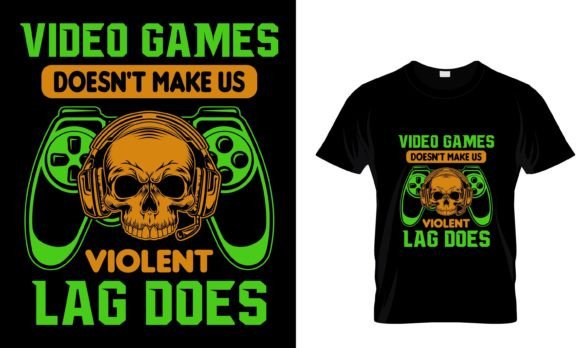
In the vibrant intersection of digital culture and personal expression, a simple piece of apparel often becomes a powerful statement. Consider the phrase, "VIDEO GAMES DOSEN T MAKE US..." emblazoned on a tee. It’s more than just text; it’s a playful rebuttal, a badge of identity, and a piece of shared cultural language. This is the realm of custom gaming T-shirt design, a creative and commercial space where passion meets practicality. For designers like A_Hasan_09, it represents an opportunity to translate a community's ethos into wearable art, while for consumers, it offers a unique way to showcase their interests. Understanding this process from concept to product not only demystifies digital merchandising but also highlights its significance in modern creative entrepreneurship.
The Foundation: What is Custom Gaming Merchandise Design?
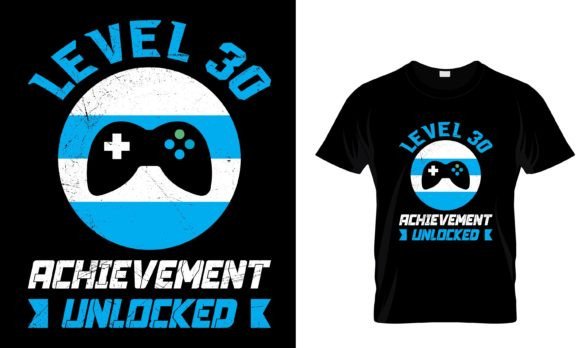
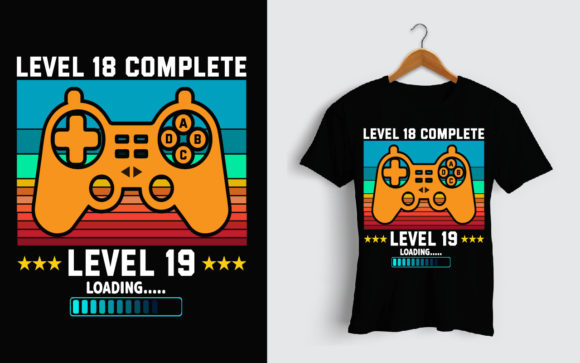
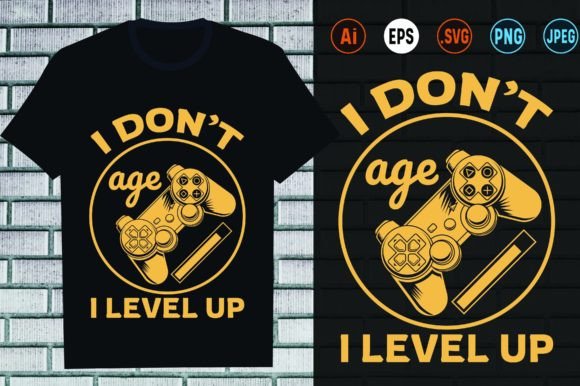
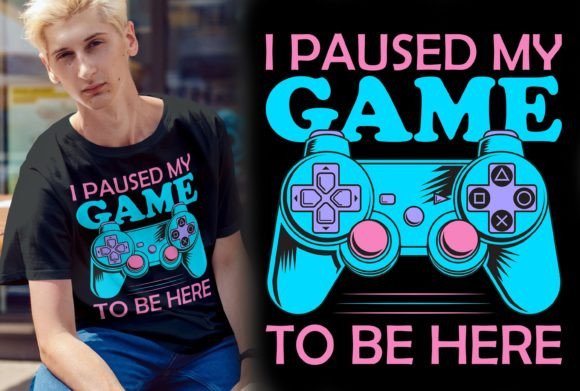
At its core, custom gaming merchandise design involves creating original artwork, typography, or graphics intended specifically for printing on products like T-shirts, mugs, or pillow covers. These designs are often inspired by the vast universe of video games—from iconic characters and logos to inside jokes, memes, and community-sourced phrases like the one featured. Unlike mass-produced, officially licensed gear, custom designs frequently tap into the nuanced, fan-driven aspects of gaming culture. They celebrate the player's experience, the shared online camaraderie, and even the humorous frustrations (like the intentional grammatical twist in "DOSEN T MAKE US") that bind communities together.
The purpose is twofold. First, it serves a social and expressive function. Wearing such a design is a form of non-verbal communication, signaling belonging to a particular group or sharing a specific sense of humor. Second, it represents a viable creative business model. Independent designers can leverage digital tools and online marketplaces to turn their artistic skills into a source of income, reaching a global audience of fellow enthusiasts.
Breaking Down the Design Product: Files and Formats
When a designer like A_Hasan_09 lists a product, they aren't just selling an image; they are providing a versatile digital toolkit. Each file format included serves a distinct, crucial purpose in the production chain.
- Editable EPS File: This is a vector-based file where the design’s structure can be manipulated, but, as noted, specific text elements may be locked to preserve the original artistic intent. It ensures the core message remains intact while allowing for other adjustments.
- SVG File: Scalable Vector Graphics are essential for web use and scaling. Unlike pixel-based images, vector files use mathematical paths, meaning the design can be resized to any dimension—from a small mug print to a large banner—without any loss of quality or sharpness.
- High-Resolution PNG (4500x5400 at 300DPI): The transparent PNG provides a pixel-perfect, ready-to-use version of the design on a clear background. The 300 dots-per-inch (DPI) resolution is the gold standard for high-quality printing, ensuring every detail is crisp.
- Design Mockup JPG: This is a marketing and visualization tool. It shows the design applied to a product (like a T-shirt) in a realistic way, helping buyers instantly picture the final result before purchase.
The Practical Advantages: Why This Approach Matters
For someone looking to create or sell custom merchandise, these technical offerings translate into significant real-world advantages. They embody the flexibility demanded by modern, on-demand printing and small-scale entrepreneurship.
Unmatched Flexibility and Control
The ability to change colors easily or switch from RGB to CMYK color mode is not a minor feature. RGB (Red, Green, Blue) is ideal for digital screens, while CMYK (Cyan, Magenta, Yellow, Key/Black) is used for physical printing. Providing both options means the buyer, whether a hobbyist or a professional print shop, can adapt the design to their specific equipment and medium without color distortion. This directly supports the promise of printing "all kinds of products," from fabric to ceramics.
Scalability and Professional Quality
The vector file capability is perhaps the most crucial technical benefit. True scalability means one purchase can fuel an entire micro-business. A designer can use the same file to produce products across a whole catalog—resizing it perfectly for a T-shirt’s chest area, a pillow’s full face, or a mug’s curved surface without needing multiple separate files or suffering blurred, pixelated edges. The 300 DPI resolution guarantee ensures this scalability doesn’t compromise the professional look of the final printed product.
Fitting Into Modern Creative and Commercial Life
This model of digital design distribution fits seamlessly into several contemporary trends. In education and skill development, learning about vector graphics, file formats, and color theory through practical projects like this is invaluable for aspiring graphic designers. In technology, it leverages the power of software like Adobe Illustrator and the connectivity of online platforms (Etsy, Shopify, etc.) to democratize commerce.
Most prominently, it empowers creativity and small business. An individual with a clever idea for a gaming meme—like challenging the stereotype that "video games don't make us..." anything—can transform it into a tangible product without massive upfront investment in manufacturing. They can test ideas, build a brand, and engage directly with a niche community. This is a direct application of the "creator economy," where tools and access have lowered barriers to entry for artists and entrepreneurs alike.
Clarifying Common Misunderstandings
A common assumption is that buying a digital design is simply buying a picture to print once. In reality, as this product breakdown shows, it’s purchasing a commercial license and a production-ready asset. The buyer gains the right to use that design to create and sell physical goods (depending on the seller's specific license terms). Another misconception concerns quality. Not all "digital files" are equal. The specifications highlighted—vector format, 300 DPI, transparent PNGs—are the hallmarks of a professional, print-ready asset, distinguishing it from a low-resolution web image that would produce poor physical results.
Building a Broader Understanding: From Design to Community
Ultimately, a product like the "VIDEO GAMES DOSEN T MAKE US..." T-shirt design is a node in a larger network. It starts with a cultural observation from gaming communities, is interpreted through an artist’s creativity (A_Hasan_09), and is delivered as a technical toolkit that enables further creation. The closing invitation to "visit my store for more unique and eye-catching design" and to "stay tuned" points to the ongoing relationship between creator and consumer.
This cycle reflects how modern fandoms operate. They are not just about consumption but also about co-creation and representation. Custom merchandise allows fans to move beyond passively buying official goods to actively shaping the visual language of their community. It turns a playful, possibly sarcastic, defense of gaming ("it doesn't make us... worse, maybe?") into a shared symbol, wearable anywhere from a casual day out to a gaming convention.
In conclusion, examining this specific custom T-shirt design offer provides a clear, ground-up view of a dynamic creative industry. It blends art, technology, business, and community. Whether you are a gamer looking for a unique way to express yourself, a budding entrepreneur exploring print-on-demand, or simply someone curious about how digital ideas become physical products, understanding the components and advantages of such digital design assets is immensely valuable. It reveals a pathway where creativity is not just expressed but is also technically empowered and commercially viable, all starting from a simple, clever phrase meant for a T-shirt.