Metaverse Game Design: Where Worlds and Words Come Alive
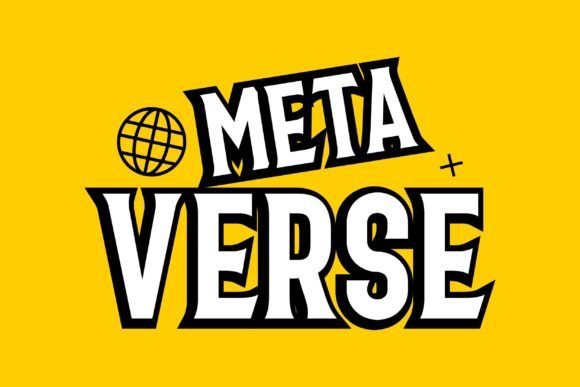
The metaverse isn't just a new place to play games; it’s a new canvas for creation. Metaverse game design is the art and science of building these persistent, immersive digital worlds, and every detail matters. From the sweeping landscapes to the text on a virtual sign, design choices directly shape the user's experience. One of the most powerful, yet often overlooked, tools in this toolkit is typography. When paired with bold aesthetic decisions—like an unforgettable gaming yellow color background—typography stops being mere text and becomes part of the environment's voice, mood, and function.
More Than Fonts: Typography as Environmental Storytelling
In traditional game design, typography usually lives in menus, UI elements, and dialogue boxes. In the metaverse, text escapes the screen and inhabits the world. It's on the neon signs of a virtual city, the carved runes on an ancient dungeon wall, the scrolling holographic news ticker above a plaza. This is environmental typography, and its design is a core consideration for metaverse architects.
Why? Because in a persistent, social space, text conveys not just information, but culture and context. The gritty, pixelated font on a cyberpunk bar's sign tells you about the district's ethos. The elegant, flowing script on a virtual museum’s plaque establishes its authority and history. The choice of typeface, its scale, how it integrates with 3D geometry, and especially its color against the world's backdrop, are all deliberate acts of Metaverse game design. They guide players, create atmosphere, and reinforce the world's internal logic without a single line of explanatory dialogue.
The Impact of a Bold Backdrop: Gaming Yellow in the Metaverse
Color psychology is fundamental to immersive design. Yellow, particularly vibrant, high-energy "gaming yellow," carries associations of energy, optimism, caution, and attention. In a metaverse environment, using this color as a primary background or accent is a bold statement. An awesome design leveraging a yellow color background might define a specific zone—a sunny, creative player-built island, a hyper-competitive gaming arena, or a vibrant marketplace hub.
This choice drastically influences typography. Text must be legible and harmonious against this powerful hue. A deep black or navy font might create a striking, high-contrast combo perfect for headlines and warnings. A clean white typeface could offer a modern, crisp feel. Even a complementary orange or metallic gold text might blend into a cohesive, luxurious aesthetic. The designer's task is to ensure the text doesn't fight the background but collaborates with it, enhancing both readability and the intended emotional punch of the space.
Practical Design Workflows: From Concept to Persistent World
Creating these elements isn't purely artistic; it's a technical pipeline. Modern Metaverse game design workflows often involve a suite of assets, each with a specific role. Consider the files a designer might produce:
- EPS (Encapsulated PostScript): A vector file often used for scalable logo and typeface design master files, ensuring brand consistency across massive, scalable metaverse environments.
- SVG (Scalable Vector Graphics): Crucial for web-based metaverse portals and clean, resolution-independent UI elements that need to scale perfectly on any device.
- JPG (JPEG): For detailed texture maps, like a worn poster with text on a virtual wall, or background images where perfect scalability isn't the primary concern.
- PNG (Portable Network Graphics): The go-to for environmental text with transparency—think holograms, glowing signs, or UI overlays that need to sit cleanly over dynamic gaming yellow color background vistas.
Understanding which format to use, and how to optimize them for real-time rendering in a 3D engine, is a key practical skill. A beautifully designed yellow-themed banner with integrated typography might start as an EPS concept, be exported as a high-res PNG for the texture, and have its interactive UI elements derived from SVG files.
Design Considerations for Engagement and Function
When planning typography and color schemes for a metaverse project, designers must think beyond aesthetics. The goal is to create spaces that are engaging, functional, and inclusive.
- Legibility is Paramount: In a social space, unclear text causes frustration. Font size, contrast (like dark text on a bright yellow color background), and viewing distance in the 3D world must be tested from multiple user perspectives.
- Performance and Scalability: Highly detailed, custom font textures on every surface can impact load times and frame rates. Efficient use of vector formats (SVG) and texture atlases is a technical necessity.
- Cultural and Contextual Alignment: The typography should feel native to the world it occupies. A futuristic metropolis wouldn't use medieval calligraphy unless for a very specific, contrasting reason.
- User-Created Content: Many metaverse platforms allow users to build. Providing them with a cohesive, awesome set of design tools—including approved color palettes (with that signature yellow) and typeface options—helps maintain world integrity while empowering creativity.
Real-World Scenarios: Typography and Color in Action
Imagine a metaverse platform focused on indie game showcases. Its central "Expo Hall" could use a vibrant gaming yellow color background to evoke energy and innovation. Each developer's booth uses clear, bold typography on signage (PNG textures with transparency) to announce their game. The UI for rating and commenting (built from crisp SVG elements) is seamlessly overlaid. The overall Metaverse game design uses color and text to create a cohesive, exciting, and easy-to-navigate experience.
Alternatively, a virtual training simulation for safety procedures might use yellow as a cautionary backdrop in hazard zones. Instructions and warnings in a stark, authoritative typeface are placed directly on equipment and walls (using JPG texture maps), making the learning process immersive and intuitive.
Building for the Future: Where Design Meets Presence
The ultimate aim in Metaverse game design is to foster a sense of presence—the feeling of truly "being there." Every environmental detail contributes. Awesome design isn't just about looking good; it's about feeling right. The warmth of a yellow sunlit common area, the clarity of the community rules displayed on a clear typographic banner, the excitement of a golden tournament announcement holograph—these are the layers that build a living world, not just a game level.
As the metaverse evolves, the role of the designer expands. They become world-builders, sociologists, and technologists. Their choices in fundamentals like color and typography set the tone for economies, social interactions, and cultural norms that emerge within these spaces. By mastering these elements, from the conceptual EPS file to the final in-world PNG texture on a dynamic yellow backdrop, designers craft the very fabric of our potential digital future.